Grocery advice fails in two directions. One version tells you a national average as if it were your bill. The other promises you will save a fixed amount if you buy a particular brand or follow a challenge. This draft does neither. It explains the US figures that are actually published, then lists 25 habits you can test against your own receipts.
What the national numbers do and do not say
In 2023, the average US consumer unit spent $6,053 on food at home, about $504 a month, according to the Bureau of Labor Statistics Consumer Expenditure Survey. Total food was $9,985, of which $3,933 was food away from home. The average hides the spread: the lowest-income tenth of consumer units spent $4,003 on food at home that year, and the highest-income tenth spent $9,804.
Those are 2023 annual averages for a “consumer unit,” which is roughly a household, published by BLS in 2024. They are not a budget target, they are not adjusted here for inflation since 2023, and they say nothing about your city, your household size, or special diets. The US Department of Agriculture publishes separate food-plan cost reports by age and household size. Look up the current report if you want that benchmark. This draft does not copy a USDA dollar figure, because those reports are updated and a stale number would be worse than none.
One useful split from the BLS figures: food away from home was a large share of food spending, not a rounding error. A grocery plan that ignores takeout, work lunches, and delivery is only planning part of the food bill. Put both lines in the monthly budget calculator if both are real for you.
Before you shop
- Check what you already have. A list written from the cupboard wastes less than a list written from a recipe you saw online.
- Plan the nights you will not cook. Those meals are part of the food budget. Pretending you will cook seven dinners usually creates a midweek takeout bill.
- Eat or at least decide the meal before you shop when you can. Shopping hungry is a cliché because it is a common way the unplanned items get into the cart.
- Keep a short price list of the 10 to 15 items you buy most months, with the package size. A sale is only a sale compared with the price you last paid for that size.
- Set a cart total before you go. The number can be the grocery line in your budget. It is a ceiling for this trip, not a moral score.
- Pick one store for the main trip if a second stop costs a bus fare, gas, or an hour you do not have. The cheaper gallon of milk is not cheaper after a $6 trip.
- Look up the weekly ad only for items already on your list. An ad is a way to pay less for what you needed, not a to-do list.
In the store
- Read the unit price, not only the package price. Shelf tags in many US stores show a price per ounce, pound, or count. If the tag is missing, divide the price by the number of units.
- Compare the store brand on one item you already buy. Do not switch the whole cart in one trip. If the substitute does not get used, it was not a savings.
- Check the package size when an item is on sale. A “bonus” box can cost more per ounce than the ordinary one.
- Buy the size you will finish. The warehouse size is more expensive if half of it is thrown out. This is especially true for produce, bread, and dairy.
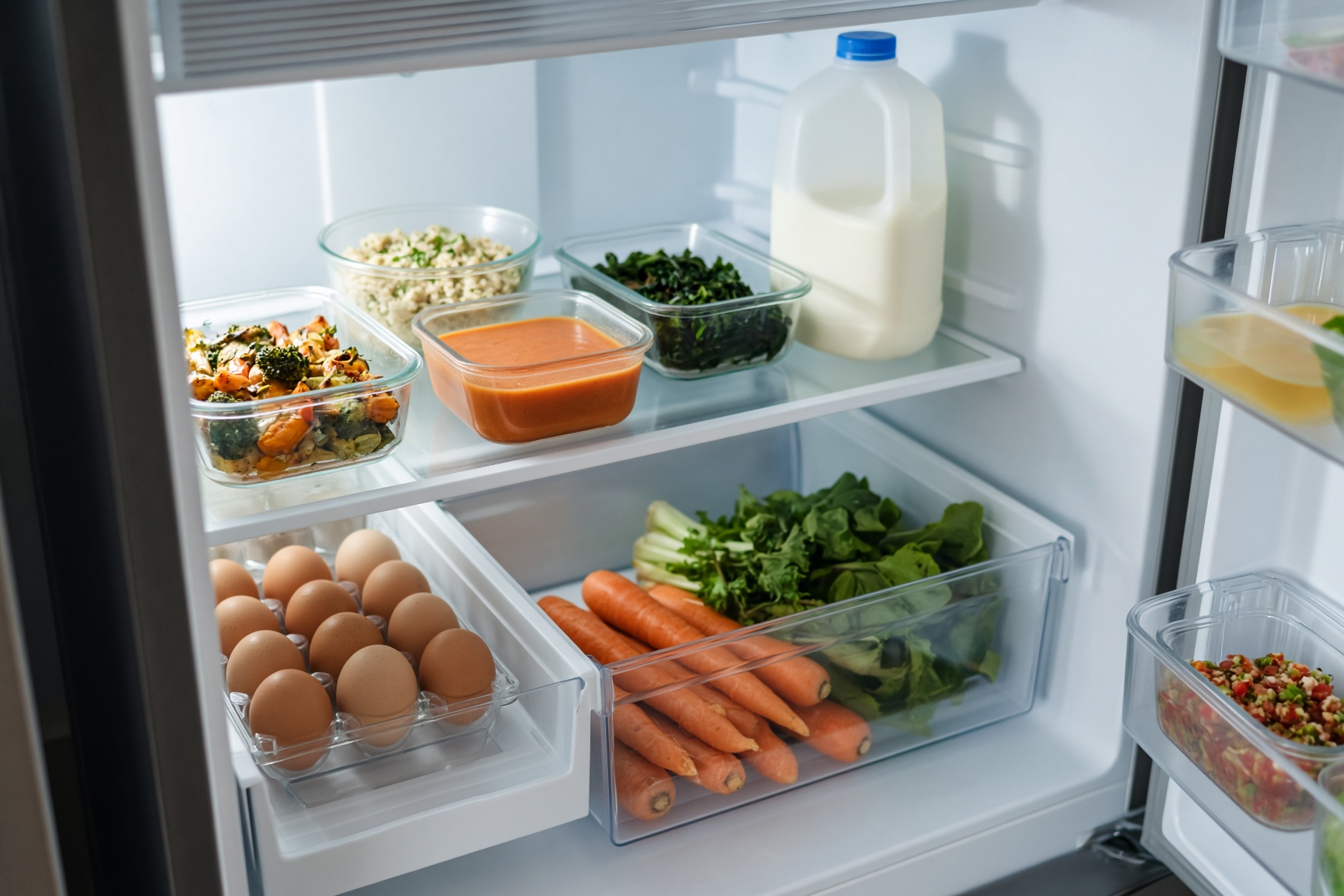
- Use the freezer on purpose for bread, meat you will actually cook, and a spare meal — not as a place to hide food you do not like.
- Skip the end-cap unless the item is on your list. End-caps are displays, not a promise of the lowest unit price.
- Treat loyalty prices as the price only if you were going to shop there anyway. A card that changes which store you visit can cost more than it returns.
- Leave snacks and drinks that were not on the list out of the cart, or give them a small planned amount. The unplanned bottle and the unplanned box are a quiet part of many receipts.
- Scan the receipt before you leave if the store is busy enough that errors happen. A wrong price is not a strategy, but it is money.
At home
- Cook once, eat twice. A planned second meal from the same ingredients is different from forcing yourself to eat spoiled leftovers. If you cite storage times, use a current USDA food-safety page, not a blog’s number.
- Repeat a small set of meals. Variety is not free. It shows up as half-used jars and herbs.
- Pack the meal you already budgeted if you buy lunch because you are tired, not because you want the lunch. If the lunch is the thing that makes the job tolerable, put it in the plan instead of calling it a failure.
- Write down waste for one week: what you threw away, not a guess. The next list should not include that item in the same quantity.
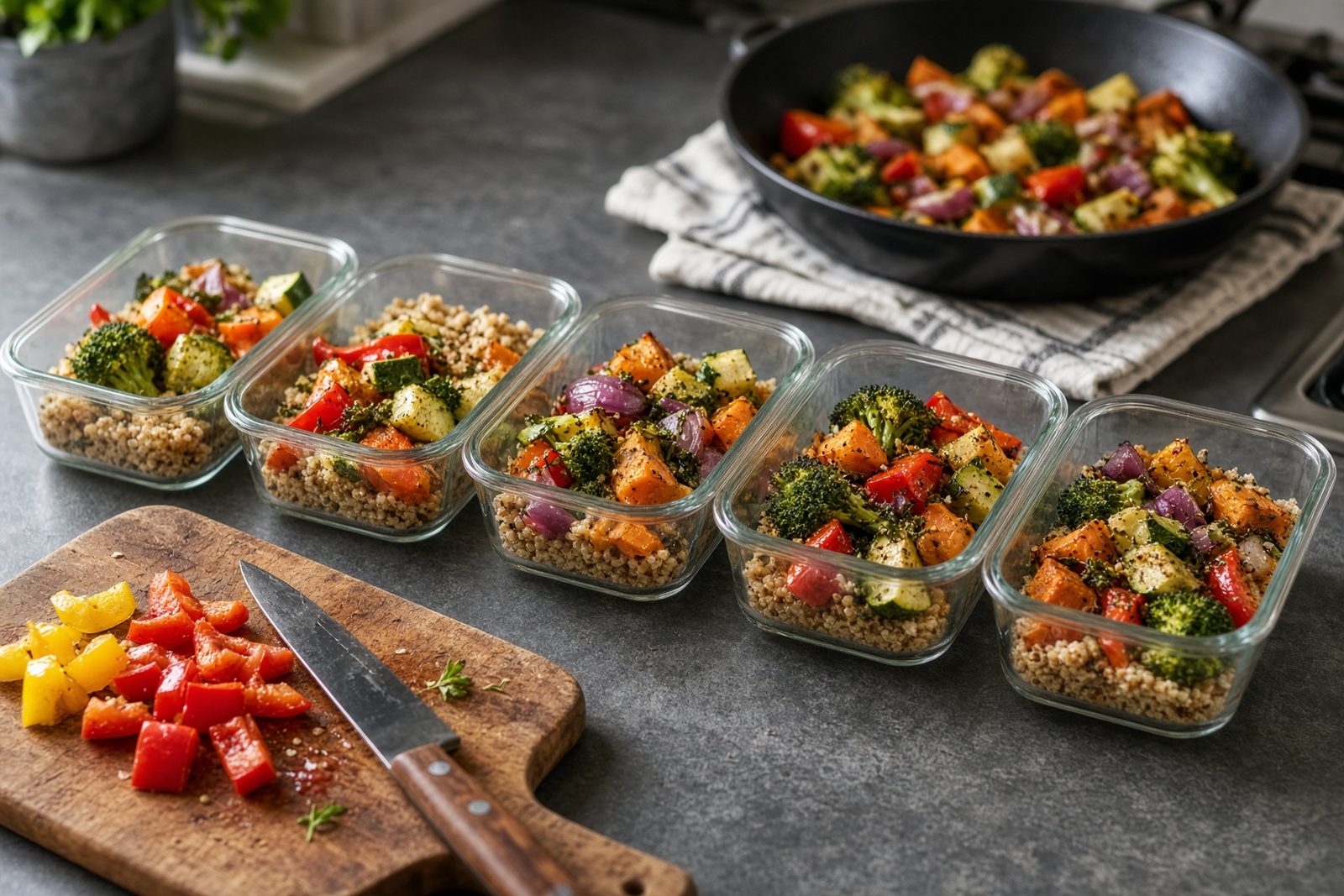
- Freeze portions the day you cook if you live alone or in a pair and the recipe serves eight. The savings is the meal you do not buy later.
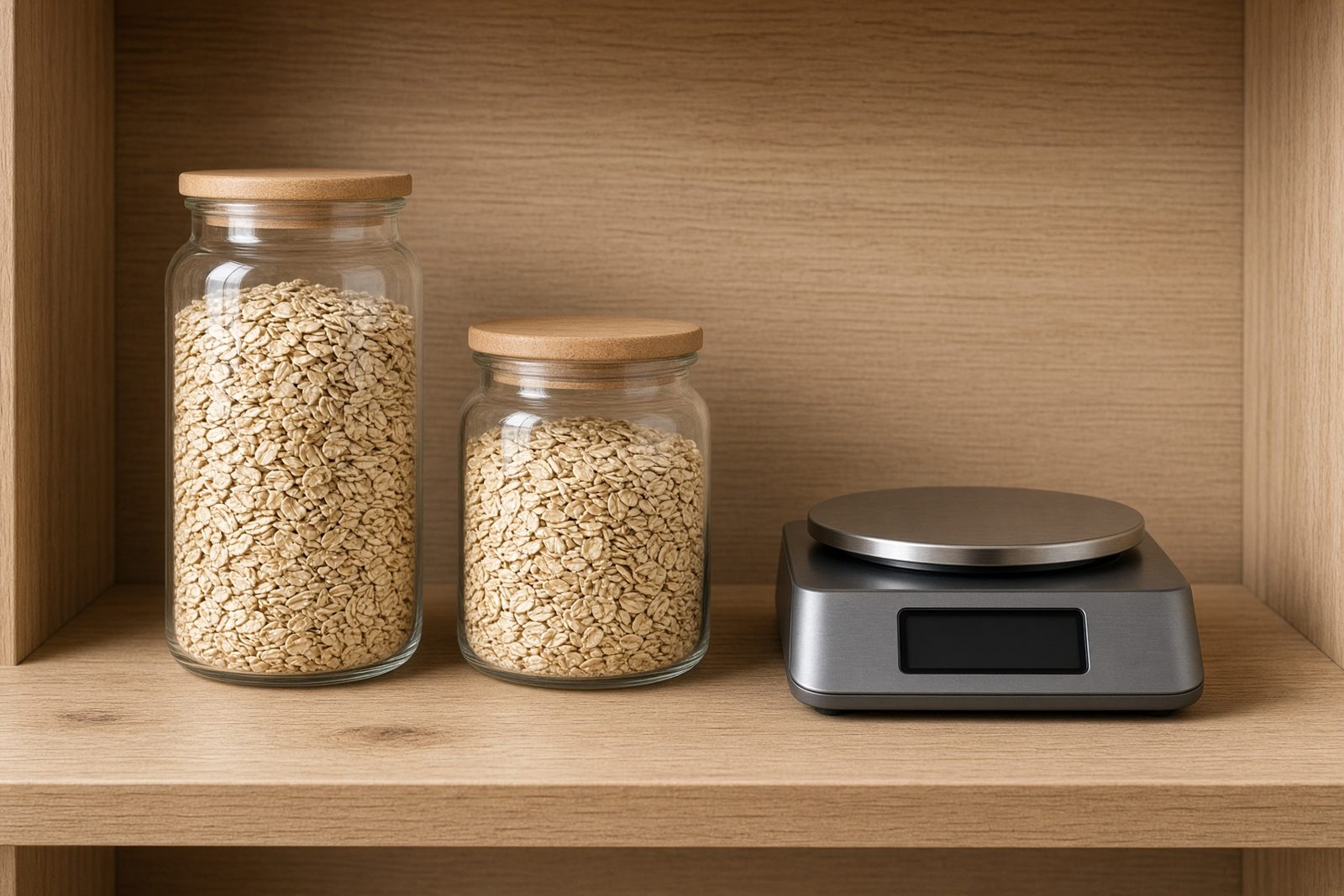
- Use beans, eggs, oats, and frozen vegetables as ordinary foods, not as a personality. They are useful because they store and because the unit price is often lower. They are not required.
- Limit delivery fees by deciding the delivery nights in advance. Fees and tips sit on top of a restaurant price. They are part of food away from home, which the BLS average puts in the thousands of dollars a year for the average consumer unit — again, not your target.
- Keep one backup meal in the house that you will actually eat. It is there for the night you would otherwise order. It only works if you replace it after you use it.
- Revisit the price list once a month. Prices move. A list from last year will make a normal price look like a sale, or the reverse.
- Move any grocery money you did not spend to a named job, such as a starter emergency fund, instead of letting it disappear into the next unplanned trip.
The three sections above are the 25. Seven before the store, eight in the store, ten at home.
An illustration, not a prediction
You can change both inputs. A $50 trim on a $400 bill is 12.5 percent. A $0 trim is a real result if the month did not allow a change. Write the result down either way. The tight-month budget guide is the place to put that grocery line next to rent.
What to skip
- Driving across town for one loss-leader item when the trip costs more than the difference.
- Buying in bulk anything your household has already thrown away.
- Couponing that takes longer than the wages you would earn in that time, unless you enjoy it as a hobby you have chosen.
- Any plan that tells you to drop a medically necessary food to hit a number.
- Apps that ask you to upload receipts in exchange for a points program you have not read. This is not a warning about a specific app. It is a reason to read what you are giving them.
Questions readers ask
Is $504 a month the right grocery budget?
No. That figure is about one-twelfth of the 2023 average US consumer unit’s spending on food at home. Your household size, city, and diet are not in that average.
Do store brands always cost less for the same food?
Often the unit price is lower, but not always, and taste and ingredients differ. Test one item you already use instead of assuming the whole store brand line is a save.
Should I include takeout in the grocery budget?
Include it somewhere. The BLS separates food at home from food away from home because they are different purchases. Leaving takeout off both lines understates what you spend to eat.
Sources
- US Bureau of Labor Statistics, Consumer Expenditures in 2023Average consumer unit: food $9,985; food at home $6,053; food away from home $3,933. Lowest and highest income tenths: food at home $4,003 and $9,804.
- US Bureau of Labor Statistics, Consumer Expenditure Surveys 2023 annual news release noticeThe 2023 annual tables were released September 25, 2024.
- USDA food plans and cost-of-food reportsUse the current report for a household-size benchmark. This draft intentionally does not quote a dollar figure from it.
SaveNests Editorial Desk
The SaveNests Editorial Desk writes practical explainers for US households. Drafts are researched from public sources such as the Bureau of Labor Statistics, the Federal Reserve, the Consumer Financial Protection Bureau, the FDIC, and the IRS. The desk is not a registered investment adviser, certified financial planner, certified public accountant, or law firm, and it does not provide personal financial advice.
Review status: not yet independently reviewed. Changing this draft to published is an editorial decision recorded in the content file, not a credential.